How-To Guides
Step-by-step practical guides for everyday life in Bangkok.
11 min readUpdated 2026-06
Practical How-To Guides for Bangkok
Bangkok can be overwhelming for newcomers. The city operates on a set of unwritten rules and local systems that are logical once you understand them but baffling when you first arrive. How do you get a Thai SIM card without a work permit? Which bank will actually open an account for a tourist? How does the BTS Rabbit card work, and can you use it on the MRT? These are the questions that eat up hours of your first week — and the answers are often scattered across outdated forum posts and conflicting blog articles. Our step-by-step guides are designed to cut through the confusion with current, verified information that works in practice, not just in theory.
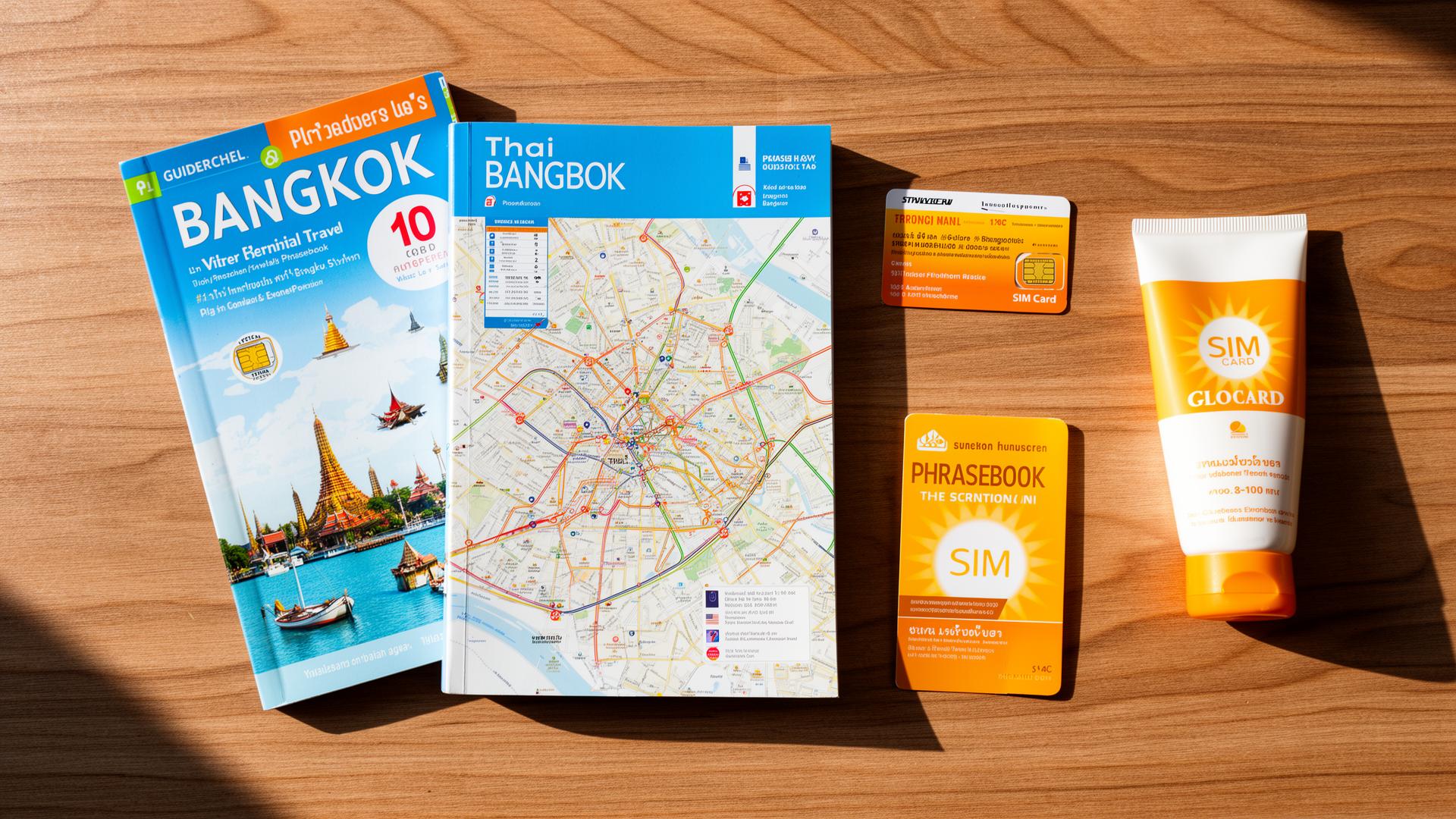
For first-time visitors, the essentials include getting connected (AIS, DTAC, and TrueMove all sell tourist SIM packages at the airport for 299-599 THB with generous data allowances), understanding transport (Grab is your best friend, but learning the BTS/MRT system saves serious money), and knowing how to handle cash (ATM fees for foreign cards are a flat 220 THB per withdrawal, so take out larger amounts less frequently). For those staying longer or transitioning to expat life, the guides cover deeper topics like finding and renting a condo (avoid agents who charge tenant fees — landlords pay commission in Thailand), setting up a Thai bank account (Bangkok Bank and Kasikorn are the most foreigner-friendly), and navigating the visa extension process at Chaeng Wattana immigration office.
Each guide below is tagged with a difficulty level and estimated time to complete. Easy tasks like buying a SIM card take under 30 minutes. Medium tasks like opening a bank account may require a morning with paperwork. Harder processes like securing a long-term visa or registering a motorbike can span multiple days and government offices. We have designed these guides for both first-time visitors who need to get set up quickly and new expats who are building a life in Bangkok from scratch. Bookmark this page — you will likely return to it more than once as new situations arise during your time in the city.
Practical errands
The first week in Bangkok is dominated by errands the brochures rarely cover: mailing a package home from Thailand Post, swapping a foreign SIM for a Thai one, exchanging your home currency without losing 5% to a tourist booth, and pulling cash from an ATM that charges a flat 220 THB to every foreign card. None of these are hard once you know where to go — but the wrong choice can cost real money. Thailand Post EMS is the cheapest international option and runs from any branch with a passport. SuperRich and Vasu Exchange near Chit Lom give bank-rate currency conversions and are open seven days a week. ATM withdrawals from Aeon machines used to skip the 220 THB fee but no longer; cumulating withdrawals into one 20,000 THB pull is now the only way to keep fees down. Most of these errands take under an hour each, but stacking three or four into a single day is the move most expats wish they had made on day one.
Daily life
Once the initial errands are done, life in Bangkok becomes a series of small habits — tapping a Rabbit card at the BTS turnstile, ordering Grab Food when the rain stalls Sukhumvit traffic, finding out which condo buildings have safe drinking water from the tap (almost none — buy a 19-litre PolyEthylene jug from Sprinter or use bottled water for cooking), and dropping shirts at a wash-and-fold for 40 THB per kilo. The BTS Rabbit card costs 200 THB upfront (100 THB issuance + 100 THB load) and works at every BTS station and a growing share of buses; the MRT runs a separate stored-value card that does not interoperate with Rabbit. Grab is the default rideshare and food-delivery app but Lineman frequently beats it on Thai-restaurant selection and discount codes. Most Bangkok soi laundries open 7 AM to 9 PM and return clothes the same day for 40–60 THB per kilo washed-and-folded; pressing is 10 THB extra per shirt.
Emergencies
Bangkok is statistically safer than most large Western cities, but the systems for handling emergencies are built for Thai-speaking residents and can disorient a foreigner mid-crisis. The single number to memorise is 1155 — the Tourist Police English-speaking 24/7 line, which can dispatch ambulances, English-speaking officers, or coordinate with embassies on your behalf. For medical emergencies that need a foreign-fluent ambulance, calling Bumrungrad (02-066-8888) or Bangkok Hospital (1719) directly is usually faster than the national 1669 line. A lost passport requires a police report first, then an embassy visit, then a final stop at Chaeng Wattana Immigration to transfer visa stamps to the new book. Motorbike accidents are the leading cause of foreigner ER visits in Bangkok — even minor scrapes need a hospital visit because dirty wounds infect quickly in the heat, and any travel-insurance claim requires same-day medical paperwork.
Cultural moments
Most cultural friction in Bangkok comes from small gestures, not big ones. The wai — palms together at chest height with a slight head bow — is the standard greeting and a sign of respect; younger and lower-status people wai first, and you do not need to wai children or service staff (though returning a wai with a smile is always polite). Temples require shoulders and knees covered for both men and women, shoes off before stepping onto raised platforms, and feet never pointed at Buddha images. Songkran (April 13–15) is a nationwide water festival where everyone in the streets is fair game for water guns and ice-water buckets — wear quick-dry clothes, leave electronics at home, and accept that you will be soaked from sunrise to sunset. Tipping is not expected but appreciated; round taxi fares up, leave 20–50 THB at restaurants without a service charge, and 50–100 THB after a Thai massage.
Sources & official references
- BOI — Official authority on long-term resident programmes
- Tourism Authority of Thailand — Tourist info hotline + practical guides
- Department of Land Transport — Driving licence + vehicle rules
Bangkok Knowledge Editorial
Verified teamA team of long-term Bangkok residents and travel writers — expats, journalists, and local Thai contributors — who fact-check every guide against on-the-ground experience and official sources.
Last updated: 2026-06